3 Signs When to Stop Swaddling Baby
Swaddling is a useful practice if you’ve got a newborn who does not sleep easily, and fusses or cries when you settle them down in their bassinet or crib. When done right, swaddling can resemble the cozy space in the womb, making your baby sleep better for longer stretches.
But of course, there will come a time to ask yourself when to stop swaddling baby and what are the signs that will help you recognize them. So, here’s the gist of things:
You should stop swaddling your baby once you see signs of them rolling over, or they grow older than 2–3 months. In this post, I’ll elaborate more on why it’s crucial to stop swaddling at the right time and the multiple other cues you should pay attention to.
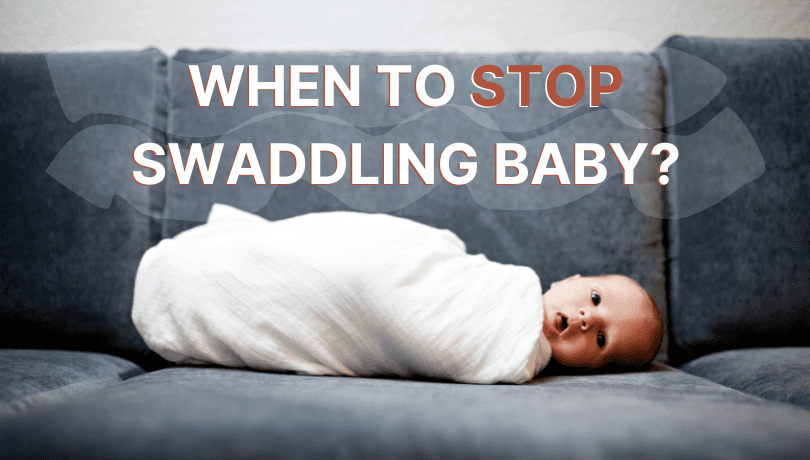
Table of Contents
How Long Do You Swaddle a Baby?
Swaddling is recommended only for newborns until they turn 2–3 months old. Beyond that range, swaddling can turn into a risk that’s better avoided (I’ll explain in just a little bit).
Also, I’d recommend that you limit swaddling to not more than twice in a day. You do not want to get your baby too used to swaddling because that can hinder their growth and development too. They need to be able to stretch and use their tiny little limbs. So, give them some space for that too.
The Don’ts of Swaddling
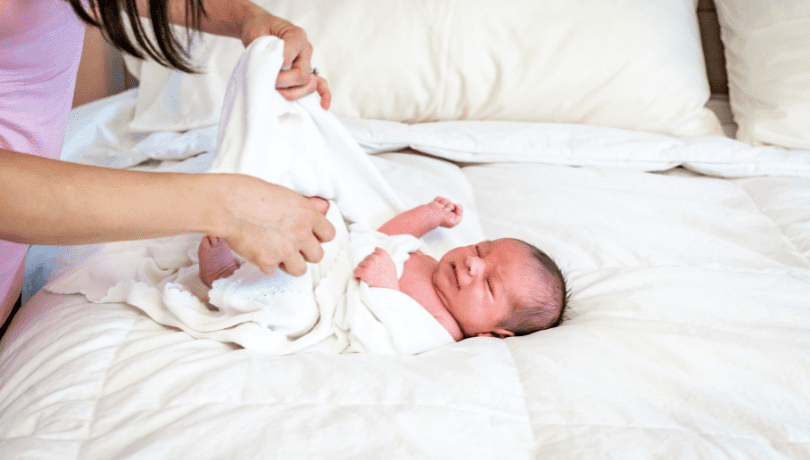
- Do not use thick or coarse blankets not meant for swaddling; stick to thin cotton or muslin.
- Do not swaddle your baby too tight; it can cause issues like hip dysplasia or suffocation.
- Do not swaddle your baby face-down or sideways; always lay them on their backs.
- Do not swaddle your baby if they are unwell or well beyond 2–4 months old.
- Do not swaddle them too loosely either since that can cause SIDS, suffocation, or entanglement.
So, what’s too tight and too loose in swaddling, you might wonder. Check out my post on Signs You Swaddle Too Tight and learn how to get that snug fit.
3 Signs on When to Stop Swaddling Baby
1. Roll Over
When I say roll over, even an attempt to roll over on their tummy is enough of an indicator for you to stop swaddling.
- You may have noticed your baby shifting their body and trying to move around during tummy time.
- It’s also common for newborns to practice new movements, especially at night (quite subconsciously).
- So, if your baby has reached that stage of development, it’s good to transition away from swaddling and get them sleeping bare in cribs or bassinets.
2. Age Limit
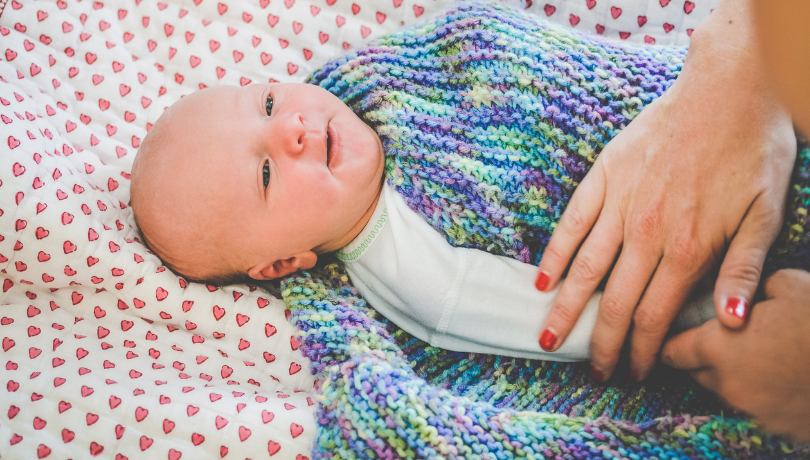
While rolling over is an immediate sign that you should stop swaddling, we know how babies develop at their own pace. Some babies take longer to roll over.
- So, in such scenarios, take care to stop swaddling after they hit the 2–3 month mark.
- This helps you avoid unnecessary risks like SIDS or suffocation, and it gives you an opportunity to sleep-train them without the swaddle.
3. Over Dependency
Yes, swaddling helps babies sleep longer. But, please don’t get your baby too used to it.
- When you swaddle your baby every time they cry, fuss, or refuse to sleep, you may find it harder to transition them to a crib or toddler bed.
- This can be especially alarming to new parents who have a separate nursery for their newborn; you might get anxious every time your baby cries, disrupting your sleep cycle.
If your baby sleeps in a nursery away from your room, you can try using baby monitors to keep an eye on them when you need to.
Over-Swaddling May Cause Health Risks!
It’s crucial to keep track of your baby’s developmental milestones and stop swaddling after they reach the stage at which they can roll over or move around. If you continue to swaddle them beyond the recommended limits, you may introduce your baby to harm and risks like
- Delayed Development – Since swaddling restricts movement at the limbs and hips, you’re essentially cutting off their opportunity to develop gross motor skills, which is crucial for a newborn baby.
- Fatal Accidents – When you swaddle an older baby, they might accidentally roll onto their tummies but not know how to get back up. And since you’ve essentially tied their limbs, they are now trapped! This can cause suffocation or SIDS, so please be extra careful, dear parents.
- Serious Injuries – An older swaddled baby may try to get out of their swaddling clothes out of discomfort, injuring their face, arms, or legs in the process.
Transitioning Away From Swaddles
Ditching the swaddle need not be scary. You’ve got plenty of alternatives that can help your baby sleep in the same cozy manner, while still giving them enough room to move around and stay safe.
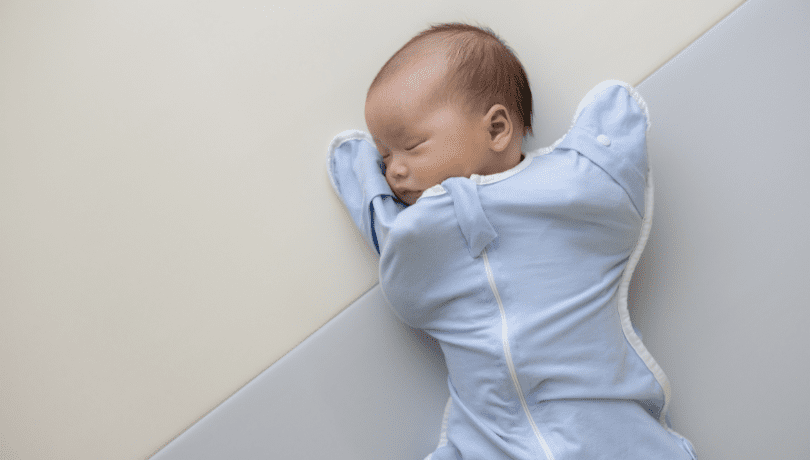
- Try sleep sacks; these allow your baby to have their arms free while still staying snug in their blanket.
- You can also try wearable blankets and adjustable swaddles that give you room to switch up the way you swaddle your baby – so more room for them to make small movements!
- It also helps to have a solid bedtime routine – start with a feed, a good burp session, a nice warm bath, some sweet cuddles, and a quiet, dark sleep room. The entire process can help them calm their senses and get ready for bed.
- You can also try bedside bassinets to keep your baby close to you while you sleep-train them. This way, you’re right there by your side, but they also have their own sleeping space and learn to self-soothe soon enough.
Concluding: Swaddle Based On Your Needs
Dear parents, remember that it’s best to stop swaddling your baby once they show signs of rolling over, or they turn older than 2–3 months. Beyond that, if your newborn cries or squirms every time you try to swaddle, avoid it entirely and try alternatives like sleep sacks or wearable blankets.
Moreover, foster a good bedtime routine and lay them down to sleep in a safe and quiet sleep environment so they can sleep soundly for longer.