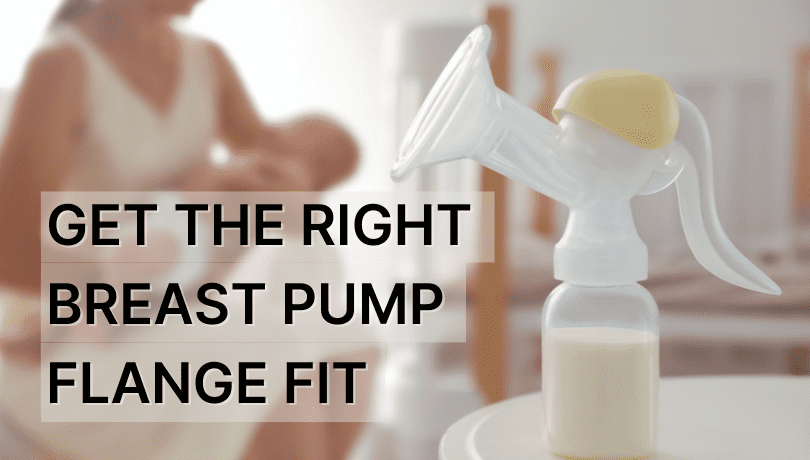
Get The Right Breast Pump Flange Fit: 3-Step Guide
Hiya, everyone! Welcome back to the world of mommy queries. Previously, we had a detailed conversation about when it might be too early to pump and what can happen when you pump early. And today, we are talking more about choosing the right breast pump flange fit.
So, why do breast pump flanges matter so much?
They are crucial for your pumping journey, and understanding them can make a difference. So, we’ll learn the signs of a poor-fitting flange, how to measure the nipple and flange size, and what size to choose. Let’s go!
Table of Contents
Importance of a Good Breast Pump Flange Fit
Our breast pumps are lifesavers, to say the least. With it, you can maintain a good milk supply, pump out milk to store it in the fridge and reheat the breast milk whenever you need it. But if they are uncomfortable to put on and use, are they really useful?
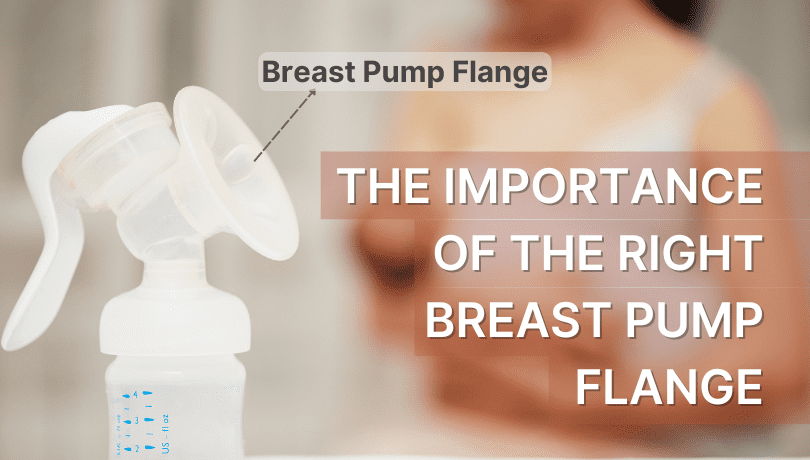
Here is where the magic of properly fitted breast pump flanges comes into play. Because the correct size can enhance milk expression, prevent tissue damage, and make your pumping sessions comfier.
How to Measure the Right Flange Size
If you’ve been researching flange sizes, you’ll know there are so many to choose from to find the right fit! And how on earth do you even measure the nipple?? Trust me, I felt the same way.
Not to worry. Just take a measuring tape, a pen, and paper to start.
1. Measure Your Nipple Diameter
This first step is crucial. I say this from experience. Because I had zero patience to measure it right, and I regretted it later. So, let’s get to it!
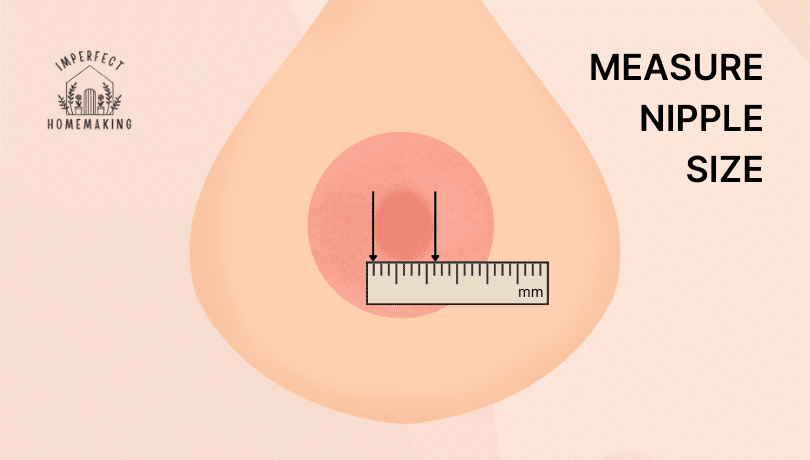
Place the measuring tape against the base of your nipple and be gentle about it. I also stimulate the nipple slightly for a more accurate reading.
Here’s how it should feel: the tape should sit comfortably on the nipple, not too tight and not loose. And you’ve got to repeat this for both nipples since they may vary in size. Finally, record the diameter in millimeters.
- Also, please account for nipple elasticity to decide on a flange size. My nipples elongate or flatten during pumping, so you need to give your nipples a little wiggle room.
- Another thing is that your breast size may also fluctuate throughout the day, especially during breast engorgement or as your milk supply adjusts. So, to be on the safer side, measure your nipple size at different times and decide from an average.
2. Go Through A Sizing Chart
Now, it’s just about going through the flange sizes manufacturers offer and choosing a size closest to what you measured.
If you’ve measured it right, you shouldn’t have too many problems with flange sizes. It helps to check out the sizing from different manufacturers as well. That helped me compare better.
Oh, and of course, read those reviews! God bless those folks who write genuine reviews. I always scroll down to read a bunch of ‘em.
3. Test The Fit
Next, get it and try it on. Test the fit by placing it over your nipple and areola. You should see minimal to no areola entering the flange tunnel, and your nipple should move freely without rubbing against the sides.
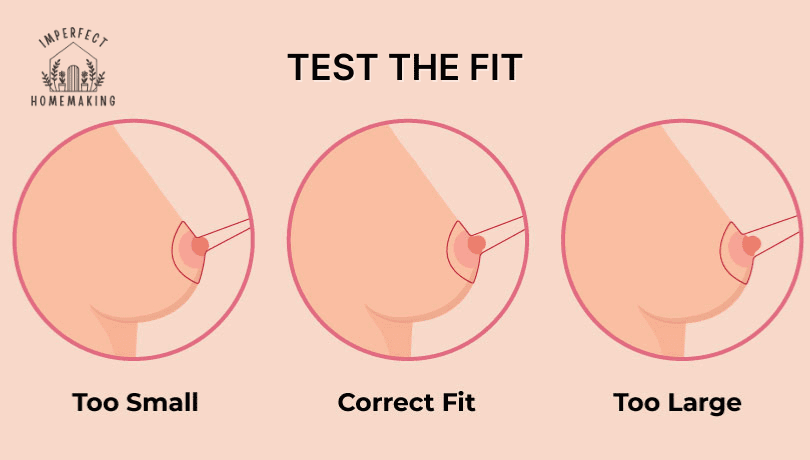
Also, don’t hesitate to try different flange sizes. I’ve even found nipple rulers online that help mothers find a good fit.
Signs of a Poor Breast Pump Flange Fit
When the flange is too small, it can cause nipple irritation, pinching, redness, pain, and even reduced milk supply. When the flange is too big, it can reduce the suction level and create difficulty in emptying the breast. I mean, jeez. As if we don’t have enough worries already.
But yes, it’s helpful to know what’s a poor fit.
- Discomfort/Pain – You may face pain and uneasiness around your nipple or areola with a flange that is too large or small. It happened to me. The pain can be mild irritation or sharp aching, so don’t ignore it.
- Rubbing/Chafing – Even typing the word chafing gives me the heebie-jeebies. If you notice chafing around your nipple or areola after pumping, it means the flange is small, or the tunnel is not wide enough to hold your nipple comfortably.
- Swelling/Redness – This is where it gets serious. Sometimes, using the wrong flange size may cause swelling or redness around your nipple or areola. It shows the flange puts too much pressure on your delicate nipple skin. So, please take care.
- Poor Milk Flow – We don’t want this. If you consistently face a low milk output or slow flow, it can be a sign that the flange doesn’t fit well.
- Nipple Damage – When you continue pumping using the wrong flange size, you can damage the tissues around the nipple. It can become cracked, blistered, sore, or infected. Let’s not wait until this happens. We can do better than this.
After I experimented and found the right breast pump flange fit for me, it got easier for me to pump at night and enhance my milk supply over time. This way, I was able to breastfeed my babies for longer.
If you’ve had your breast pump for some time already, you may notice cracks or tears in the pump or flange (especially if you routinely use a manual breast pump). In that case, I’d suggest that you replace your breast pump parts or find ways to dispose of your old and used pump.
Best Breast Pump Flanges
These are some of my favorite breast pump flanges. They’ve helped me through most of my pregnancies. Check them out, and let me know if they help you.
- Lansinoh ComfortFit Breast Pump Flanges – They are cost-effective and come in 5 different sizes. These are also compatible with the Lansinoh Manual Breast Pump, Signature Pro, and Smartpump breast pumps.
- Compatible Flange Inserts – If you use a Medela/Spectra/Elvie/Motif Medical Luna/Ameda Mya/Momcozy/Tsrete breast pump with 24 mm breast shields, you can modify them to the size you need with these inserts. These are convenient and a cheaper option than buying a whole new flange.
If you buy flanges separately, see that they are compatible with your breast pump model. And if you are looking to buy a brand-new pump that lets you go hands-free, I’d highly recommend the Lansinoh Signature Pro Double Electric Breast Pump.
Wrapping Up on Breast Flanges
Alrighty. Now, you know about choosing a flange size that fits. Think of a fitting breast pump flange like a perfectly snug hug.
It should allow your milk to flow without any discomfort or tugging. And remember. Using the wrong flange size may cause pain, a low milk supply, or a partially empty breast. So, don’t hesitate to adjust until it feels like a warm embrace.