Practical Ways to Transition Out of Swaddles Safely
Swaddling is a great technique to help your newborn sleep soundly and for long stretches, too. But, when you witness your baby attempting to roll over, you should transition out of swaddles without disrupting their sleep cycle.
As a parent myself, I know how challenging it can be to sleep-train a newborn after they’ve grown accustomed to the swaddle. So, here’s hoping that the techniques that helped me help you too.
I’ll elaborate on making a gradual switch to sleeping bare in a crib or a bassinet, how you can cultivate a consistent bedtime routine, and how you can transition your baby from a swaddle to a sleep sack too. I’ll also list out useful sleep alternatives you can try.
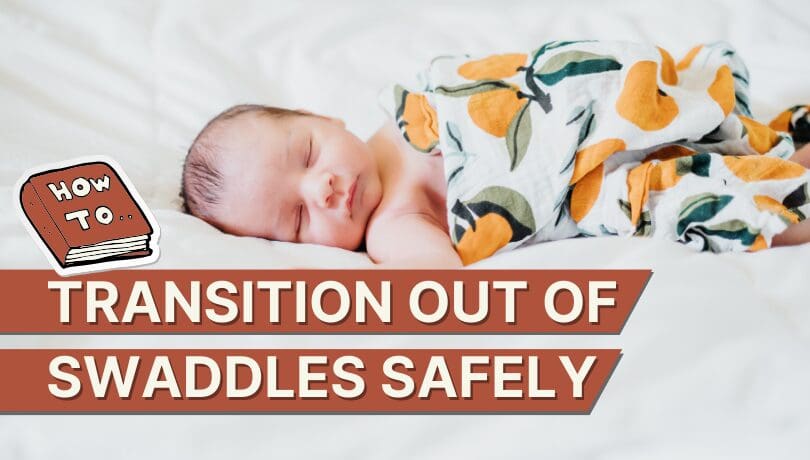
Table of Contents
When Should I Transition Baby Out of Swaddles
- When they attempt to roll over, or
- when they are over 2–3 months old
Attempts to roll over also include movements like
- wiggling the legs and lifting the hips,
- trying to move the hips side to side,
- lifting the head and shoulders during tummy time
Note: There are also instances when a baby is over two months old but has still not attempted rollovers. In those cases, you can continue swaddling but still pay close attention to roll over movements so you can switch them when necessary.
Don’t Transition Your Newborn Too Quickly!
Our goal as parents – to keep our babies still sleeping soundly while safely transitioning them out of swaddles. So, it helps to take it slow and easy, and not disrupt their sleep cycle in the process.
Please do not make the transition too sudden; give your beautiful baby some time and space to adapt to the change. That’s why I believe gradual transitions are the way to go. These transitions take longer, yes. But, it will also make the switch as smooth as possible.
Gradual Transition Step 1 – Consistent Sleep Routines
When you’re looking to transition your baby out of swaddles, it’s good to start slow, but early.
So, prepare your baby for the transition well before they attempt to roll over or go beyond the age limits.
- And the best way to prepare them is by giving them a cozy bedtime routine that can turn into a habit. But yes, routines need time to take root! Which is why it’s good to start early.
- I’d always recommend that you focus more on developing a sleep routine before you try products like sleep sacks or wearable blankets because routines can give you more lasting results.
- And trust me, I completely understand that it’s not always possible to follow the routine, but it’s crucial that you don’t give up on it and keep trying.

Here’s the bedtime routine I try to follow for my newborns.
1. Start With A Warm Bath
Who doesn’t love a warm bath, am I right?
- So, an hour or two before you settle your baby to sleep, give them a warm bath or a wipe down with a warm and clean towel. Make it an enjoyable experience for your little one, dear parent!
2. Change into Sleeping Clothes
Changing your newborn into comfortable pajamas is a good way to get them ready for bed and lull them into the feeling of cozy comfort. I prefer using onesies and a beanie cap for my little ones.
And here’s an interesting fact that you might find useful:
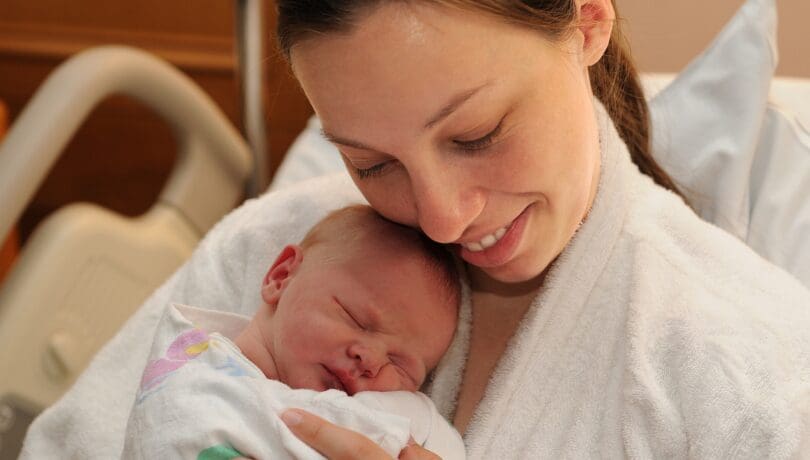
- Newborns tend to recognize their mother’s scent right from an early age, and more so after skin-to-skin contact.
- This isn’t just for mothers! Fathers can benefit from skin-to-skin contact too, helping them bond with their babies better.
How this can help with sleep:
- While practicing contact napping and skin-to-skin contact, also make sure you keep your baby’s clothes right next to yours in the wardrobe.
- This way, your baby’s clothes are surrounded by your scent, and when your baby wears these clothes, it comforts them and helps them calm down quickly.
3. Do a Feeding Session
So, after the bath and change into night clothes, your baby will slowly settle into that calm, sleepy state (at least, one can hope).
- Next, try to bring them into a quiet room, dim the lights, and breastfeed them.
- You don’t have to always breastfeed; you can bottle-feed as well. Just ensure that you soothe them and keep them in that calm state.
Recommended Reading: Transition from Breastfeeding to Bottle-Feeding
4. Burps and Pats
- Once they are done feeding, prop them up and give them time to digest their yummy meal.
- Gently massage their back, and hold them close while they get that burp out.
After this, you can settle them to sleep, either without the swaddle or by transitioning them slowly away from the swaddle. Let’s look at how you can do that.
Gradual Transition Step 2 – Arms Out Transitioning
Now, hopefully, you’re working on a good bedtime routine for your little one. And if so, the next step is to try arms out swaddling.

- First, swaddle as usual while your newborn sleeps, but leave one arm out of the swaddle. Let your baby adjust to the one arm out, and slowly try leaving both their arms free while you swaddle them.
- If your baby resists the one-arm-out swaddle, try attempting it just for a few hours during the night. Eventually, you can increase the duration and your baby will get accustomed to the change.
Follow Your Baby’s Cues. Let your little one guide you as they transition. Once they’re comfortable with both arms out of the swaddle, you can move on to a sleep sack or wearable blanket for a smoother adjustment. Another great idea is using a baby carrier during the day for bonding and comfort. This helps your baby feel secure and close to you while they adjust to their new sleep routine.
What is a Sleep Sack for Newborns?
Sleep sacks are sleep garments that are great for older babies, especially if they are mobile and active.
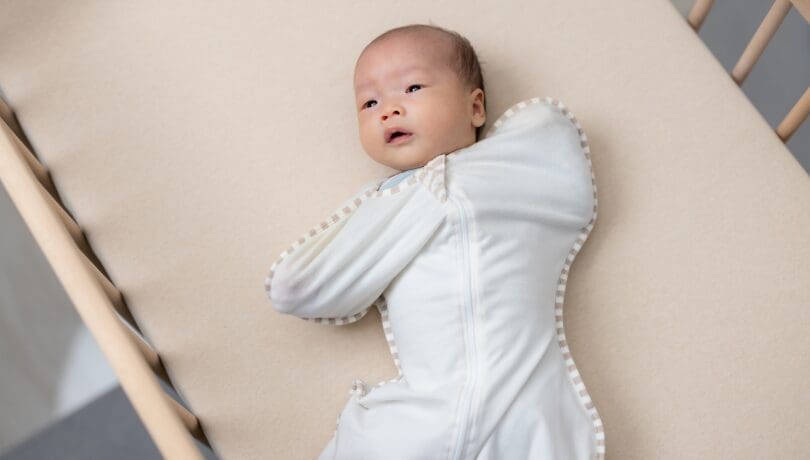
There are different variations of sleep sacks and have varying age limits, but they are all designed to help active newborns sleep soundly.
These are perfect if you are getting your baby to transition out of a swaddle, and they come in different sizes too.
Conclusion on How to Transition Out of Swaddles
The one key rule to remember when you are transitioning your newborn out of a swaddle – make the transition slow and start early.
Focus on cultivating consistent bedtime routines with warm baths, a quiet sleep environment, and comfortable clothes. Beyond that, it helps to try different swaddling techniques, including the one-arm-out swaddle, and sleep sacks.
And don’t worry, dear parents. Give your baby some time and let them explore movements while they sleep. As parents, the best thing we can do for our little munchkins is to be patient with them and learn their cues so we can incorporate good habits as they continue to grow.
See you in the next one.